Kratom capsules sit in a curious space. They carry a long tradition in a modern shell, with standardized weights and clean handling wrapped around a leaf used for generations in Southeast Asia. If you are sorting through specialty blends and single-strain options, the naming alone can feel like alphabet soup. A short walk through the actual plants, chemistry, and user patterns helps the fog clear, and that is what this guide aims to do.
I work with capsule formulations and see the same questions again and again. What is the difference between a classic green and a custom day-starter blend? How do kratom capsules work compared to powder? Which varieties make sense for beginners versus people with specific preferences? Below is a practical, experience-forward tour through kratom capsules information, organized around how you would actually make a decision, not around hype.
Where capsules came from and what they changed
Kratom leaves, Mitragyna speciosa, grow across Indonesia, Malaysia, and Thailand. Farmers harvest mature leaves, dry them in different ways, then mill them into powder. Older accounts from the region describe chewing fresh leaves or brewing tea. Capsules arrived later as an export-friendly format. They are not magic, just powder in a measured container, but that small change fixed a lot of headaches: fewer measuring errors, less grassy taste, and a cleaner way to travel with your daily amount.
Capsules also standardized conversation. Instead of “a heaping teaspoon,” people swapped notes in milligrams per capsule. That data makes kratom capsules research easier, at least for basic comparisons of perceived effects and tolerability. The trade-off is slower onset compared with tea, which some folks prefer for predictability and others find too delayed.
What is inside a kratom capsule
If you lined up capsules from respected vendors and cut them open, you would mostly see finely milled leaf. The color varies with drying style and leaf age, not food dye. Some capsules include extracts or added botanicals, but that should be disclosed on the label. Most use gelatin or vegetarian HPMC shells that dissolve in roughly 10 to 30 minutes, depending on stomach contents and https://andrepytn367.cavandoragh.org/a-clear-explanation-of-kratom-capsules-what-matters-most shell thickness.
Two facts matter for kratom capsules composition. First, the powder is high-surface-area leaf, not an isolate, so you are dealing with a complex alkaloid mix. Second, a capsule is a unit dose. Many common sizes hover around 500 to 750 milligrams of powder per capsule. I tend to see 600 to 650 milligrams most often with “00” shells, but it varies by vendor and grind density, so treat label weight as the truth, not the shell size.
How kratom capsules work, boiled down
The leaf contains many alkaloids, with mitragynine the most abundant and 7-hydroxymitragynine present in far smaller amounts. These, along with minor alkaloids, interact with multiple receptor systems in the body. Capsules deliver the powder to the stomach, where the shell dissolves and the powder disperses. Absorption primarily occurs in the small intestine. Food slows things down. Acid levels, gut transit time, and individual metabolism all change the curve.
Compared with tea, capsules start slower because the powder must be liberated from the shell and then wetted. Compared with loose powder tossed and washed, capsules are more comfortable for people who dislike the taste and reduce the chance of over-measuring. The trade is a slightly slower rise and sometimes a gentler peak. For a lot of users, that predictability is one of the quiet kratom capsules benefits.
A short map of strains and what they mean
Kratom strains are, in practice, labels tied to drying methods, leaf selection, and regional sourcing. They are not cultivars in the formal horticultural sense. Still, consistent patterns exist. When I say “green,” “red,” and “white,” I am referring to familiar kratom capsules strains that correlate with drying style and the resulting alkaloid balance.

- Green vein: Balanced and adaptable. Often described as clear, steady, and middle-of-the-day friendly. In capsules, greens tend to offer even profiles with moderate duration, which is why they anchor many specialty blends. White vein: Brighter and brisker. Users often reach for whites in the morning. The capsule format smooths the spike compared with fast-brew tea, but whites still feel more forward. Red vein: Heavier, evening-leaning. People describe reds as grounding, with a warmer tone. Drying and fermentation play a big role here. In capsules, reds often stretch longer but can feel slower to start.
Places like Borneo, Sumatra, and Hulu describe origin and processing traditions rather than legally protected appellations. Vendors sometimes use “Maeng Da” as a quality signifier, blending leaves that test higher for select alkaloids, though definitions vary by supplier. When comparing kratom capsules varieties, look for batches with date codes and, when available, lab summaries that report alkaloid levels as percentages. You rarely need more than mitragynine percentage and a pass screen for contaminants to make practical decisions.
Single-strain capsules: when simple wins
Single-strain capsules are like single-origin coffee. You get the leaf’s character without a blender’s hand. I reach for single strains when I want clarity, when I am testing a new batch, or when I am building my own mix.
Here are common patterns I observe in single-strain kratom capsules effects:
- Green Malay or similar greens: A clear plateau, steady pace, and friendly interactions with coffee. Great for desk work when you do not want spikes. White Borneo or white vein from Sunda islands: Quicker uptrend, sharper focus for the first hour or two, then fading to a clean tail. Food tempers that ramp. Red Bali or red Sunda: Slower roll-in, broader body feel, longer tail. Many people time these later in the day. Golds/yellows: Often greens or whites with special drying or light fermentation. They read softer and rounder than their source leaves, with a gentle arc that suits days off.
Single strains are also easier for self-education. If you keep notes for a week, you will gather real kratom capsules insights on timing, meals, and capsule counts that apply to most batches. With that knowledge, blends become a choice, not a crutch.
Specialty blends: why they exist and when they shine
Blends are not only marketing. Skilled blending smooths the edges of a batch, fills in gaps between strains, and pushes a capsule toward a defined role: morning clarity, all-day balance, or evening calm. The best blends show intent. You taste them in the cadence of the day, not just on the label.
Classic blend patterns I see used by careful formulators:
- Day starter: Whites anchored by a stable green, often 60 to 70 percent green to extend the curve. This reduces jitter and preserves utility after lunch. All-day balance: Greens forward with a lighter white or gold for lift. Reliable for people who want a gentle center without the heaviness of reds. Wind-down: Reds dominate, sometimes with a touch of gold or green to avoid flatness. The better versions keep the arc smooth instead of letting it collapse into grogginess. High-clarity “MD” style: Select greens and whites that lab higher for mitragynine. These are crisp but should still feel workable, not brittle.
Blends are also effective for capsule uniformity. If a particular single strain swings too bright one harvest, a blender can correct it with a counterweight. The trade-off is transparency. You lose the clean strain identity and depend on the formulator’s consistency and lab checks.
Capsules vs powder: where the rubber meets daily use
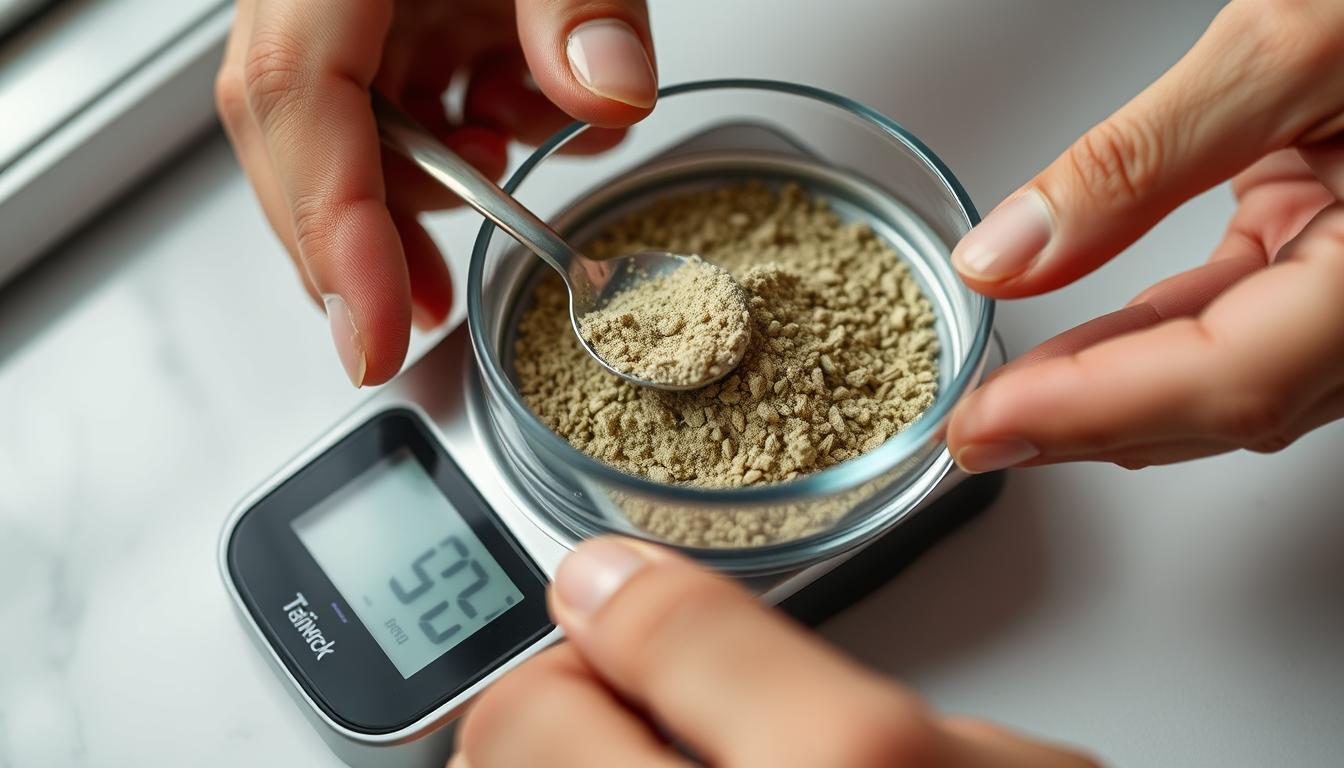
If you tolerate the taste and have a kitchen scale, loose powder is flexible and economical. You can brew tea for faster onset, adjust amounts in 0.1 gram steps, and mix on the fly. Capsules earn their keep in three ways: ease, cleanliness, and repeatability. They are grab-and-go, no scoops, no sinks, no shaker bottles. For travel or office use, capsules solve problems powder creates.
On the science side, capsule shells add a minor timing variable. Tea starts in 10 to 20 minutes for many people, toss-and-wash powder in 20 to 40, and capsules often in 30 to 60, depending on stomach contents. If you are making a kratom capsules comparison for daily planning, that half hour matters. People who keep a consistent breakfast and hydration schedule see more consistent results from capsules. People who snack irregularly may see wider swings.
Dosing rhythms and practical timing
Most “00” capsules hold roughly 0.6 grams, give or take 0.1. If a vendor lists capsule content precisely, go with that number. New users often start with a low capsule count and record the response at 45 and 90 minutes. Experienced users weigh their habits more than any chart. Hydration matters, and so does food. A fatty meal slows onset but can extend duration slightly. Empty stomach increases speed but can raise the chance of queasiness for some.
One observation from field notes: red-dominant capsules taken too close to bedtime sometimes feel heavy the next morning, especially if the person is dehydrated. Whites taken too late in the afternoon can crowd out sleep for light sleepers. Greens are generally more forgiving, which explains their popularity in kratom capsules basics.
Quality signals that actually mean something
In an industry with loud labels, a few quiet details tell you much more:
- Batch identification: A code that maps to a harvest window and lab report. Vendors who care about kratom capsules science keep these available. Clear content claims: Grams per capsule, capsule material, and whether the content is plain leaf or includes extract. Third-party testing: Alkaloid levels and contaminant screens for microbes, heavy metals, and pesticides. You mainly want pass/fail plus mitragynine percentage for daily decisions. Grind consistency: The powder flows evenly, no fibrous clumps or coarse stem bits. In capsules, grind uniformity supports consistent release. Storage guidance and freshness: Sealed pouches or bottles, silica packs, and a reasonable best-by date, typically within 1 to 2 years of packing.
If a product offers flashy kratom capsules facts but skips any of the above, weigh that carefully. If the seller can answer direct questions quickly and without hedging, you have likely found a grown-up operation.
Origins, processing, and the shape of the final capsule
Drying method and origin shape the final profile more than the color name suggests. Sun-drying vs indoor drying changes oxidation and moisture loss, which shifts the alkaloid balance slightly. Light fermentation, used in many reds and “gold” types, rounds the profile and softens sharper notes. Leaves from river-adjacent farms often carry different mineral signatures than upland plots, which farmers read in the texture during milling. This is everyday kratom capsules background in the supply chain, rarely advertised, but you can feel the results.
To stay grounded, pay attention to how often a producer can reproduce a profile across seasons. Everyone has off-batches, but consistency is a craft in itself.
What people actually experience day to day
Patterns in kratom capsules usage vary, but a few recurring themes show up across logs and conversations:
- Onset patience: Capsules often bloom later than expected for new users. The answer is rarely “take more in 10 minutes,” it is usually “wait to the 60 to 90 minute mark,” then decide. Hydration: Low water intake correlates with rougher edges, especially with whites. A glass of water with capsules is basic but effective. Meal timing: A light snack 30 minutes before capsules can steady stomach comfort without pushing onset too far out. Rotation: People who rotate between greens, whites, and reds across the week often report more consistent responses than those who ride a single strain daily. This is practical kratom capsules knowledge born from trial, not dogma. Stacking with caffeine: Whites plus coffee can overshoot for some. Greens plus coffee seems to be the sweet spot for desk work. A small dose of coffee taken later, once you feel your capsule baseline, gives better control.
Specialty blends I keep seeing work in the real world
Some examples, distilled from field use rather than a catalog:
A morning commuter blend pairs a nervy white with a stout green, roughly two parts green to one part white by weight. The green carries the curve and tames the early edge. This is the “arrive ready, not wired” approach. It earns repeat purchases because people can predict the workday arc.
An afternoon balance blend is green led with a touch of gold. The gold’s soft rounding helps with meetings and context switching. The noticeable part is not the first hour, it is hour three, when you would usually dip.
An evening comfort blend pairs a fermented red with a drizzle of green, just enough to keep the mind from fogging. If you ever felt top-heavy after a red, that little tilt pulls things upright.
These formulas are not universal, but the ratios capture logic that helps you judge a label. If a blend claims focus and calm yet lists red as dominant, question it. If it claims all-day steadiness and is 100 percent white, expect peaks, not plateaus.
Capsules and the body: variability is the rule
The same blend in two people often creates two arcs. Body weight, gut microbiome profiles, enzymatic activity, sleep debt, and even seasonal allergies can shift perceived kratom capsules effects. I have seen identical twins prefer different strains after a month of experimentation. This variability does not make capsules unpredictable, it just means you should collect your own data and treat advice, including mine, as a starting point.
I suggest a small notebook or notes app and a format like this: date, product name and batch, capsule count, meal timing, first noticeable change (minute mark), character of the arc in a few words, duration until return to baseline. After seven entries, patterns pop. That is the simplest kratom capsules guide I know that actually improves outcomes.
Safety, tolerability, and edges worth respecting
Any honest kratom capsules discussion includes safety basics. Reputable products come with lab screens for contaminants. Store capsules cool and dry. Do not mix with unknown substances. People with medical conditions or those taking prescription medications should talk with a clinician who understands kratom pharmacology. More is not always more, and stacking different blends rapidly often muddies the experience rather than improving it. Slowly titrating up, staying hydrated, and spacing sessions helps you read the leaf rather than chase it.
From a practical standpoint, stomach comfort is a common topic. Coarse grinds can feel heavier. Tea side-steps that, but capsules with finer, well-sifted powder are gentler for many. Ginger tea, eaten separately, sometimes eases queasiness for sensitive users without blocking effects. Small steps like these are not glamorous, just useful.
Making sense of marketing language
Kratom capsules terminology can be a thicket. Here is how I decode labels quickly:
- “Maeng Da” without details: Treat as a style, usually a select blend, not a geographic indicator. “Gold” or “yellow”: Often processing terms. Expect smoother arcs than the parent strain. “Enhanced” or “fortified”: Typically means added extract. Onset may be quicker and the peak stronger. Check exact content. “Nano” or “ultra-fine”: Usually refers to grind size. Finer grinds disperse better, but claims of radically faster absorption should be met with measured skepticism unless backed by release testing.
If a product reads like a miracle, it deserves more questions. If it reads like a recipe with sources and batch data, you are in safer territory.
Building a small personal catalog
Over time, most capsule users assemble a short roster: a reliable green, a bright white for early starts, a red or gold for evenings, and one specialty blend that solves a specific problem day. That is enough. You do not need twenty bottles open at once. Store the active two or three within easy reach and the rest sealed. Rotate by need, not by fear of missing out.
Anecdotally, I keep one single-strain green that is boring in the best way. It behaves. When a new blend disappoints or surprises, I reset with that green the next day. Simple anchors keep experiments honest, and that is the heart of kratom capsules education that lasts.
A practical, two-part checklist for choosing capsules
List 1: Quick vendor vetting
- Batch numbers tied to lab tests, visible on request or via QR. Clear capsule weight and shell type on the label. Transparent description of single strain vs blend and any extracts. Reasonable freshness window and sealed packaging. Responsive customer support that answers specific sourcing questions.
List 2: Your first-session playbook
- Take note of stomach status and hydration beforehand. Start with a conservative capsule count based on labeled weight. Wait at least 60 to 90 minutes before adjusting. Log onset time, character, and duration in brief notes. Adjust only one variable next session: capsule count or timing, not both.
These two lists, used once per new product, sharpen your kratom capsules understanding more than any slogan.
Why some capsules cost more
Price reflects more than margin. Paying for multi-step drying, consistent milling equipment, cleanrooms for encapsulation, and real lab testing adds cost. Specialty blends also require pilot batches, sensory evaluation, and discarding misses. When a producer refuses to race to the bottom on price and shows their work, that premium often buys steadier days for you.
That said, price does not guarantee quality. I have met humble, affordable single strains that outperformed flashy blends. Your notes and a little patience beat branding every time.
The bottom line for single strains vs specialty blends
If you want clarity, train your palate with single strains. Learn their arcs, their temperaments with meals, and the way your day responds. When you need a capsule that does a job without micromanagement, reach for a specialty blend that shows intent, carries batch data, and matches your schedule. Capsule format is a convenience choice, not a compromise, and for many users it increases repeatability more than it costs in onset speed.
Kratom capsules overview, stripped of noise, looks like this: an adaptable plant with regional histories, put in a portable format, shaped by drying and blending craft, and tuned by your own metabolism and routines. Keep your catalog short, your questions specific, and your notes honest. The rest, with a little care, takes care of itself.